Adapting to iPhone's Software Update Cadence: A Deep Dive for Android Switchers
Adapting to iPhone's Software Update Cadence: A Deep Dive for Android Switchers
One of the most significant differences between the Android and iOS ecosystems lies in the approach to software updates. For Android switchers, understanding Apple's update cadence, types of updates, and overall philosophy is crucial for a seamless transition. This isn't just about getting the latest features; it's about security, performance, and long-term device viability.
Editor's pick: Android-to-iPhone migration accessories on Amazon → As an Amazon Associate, this site earns from qualifying purchases.
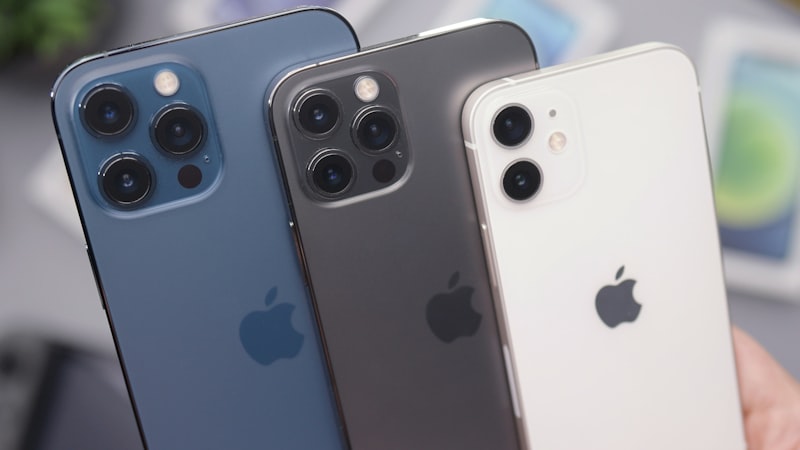
The Apple Update Philosophy: Consistency and Longevity
Apple adopts a centralized, unified approach to software updates. Unlike Android, where updates are often fragmented across manufacturers and even specific phone models, Apple provides updates simultaneously to all eligible devices. This consistency is a major selling point and contributor to the overall iPhone experience. The company typically supports devices for five to seven years with major iOS updates, a stark contrast to the shorter support windows often seen in the Android world. This long-term support ensures that your iPhone remains secure and functional for an extended period, protecting your investment.
Understanding the Update Types
Apple releases several types of software updates throughout the year:
- Major iOS Releases (e.g., iOS 20): These are annual, significant updates that introduce new features, design changes, and system-level improvements. They typically arrive in the fall, coinciding with the launch of new iPhone models.
- Point Releases (e.g., iOS 20.1, iOS 20.2): These updates provide bug fixes, security patches, and minor feature enhancements. They are released periodically throughout the year to address issues and improve overall stability.
- Rapid Security Responses: Introduced in recent years, these updates deliver critical security fixes outside of the regular update cycle. They are designed to address zero-day vulnerabilities and other urgent security threats, ensuring immediate protection for users.
The Installation Process: Streamlined and User-Friendly
Updating your iPhone is a relatively straightforward process. You can choose to update over-the-air (OTA) via Wi-Fi, or connect your device to a computer and update through Finder (macOS) or iTunes (Windows). Apple prioritizes a user-friendly experience, making the update process accessible even to those unfamiliar with technical procedures. Automatic updates can also be enabled, allowing your iPhone to download and install updates automatically overnight, minimizing disruption.
Implications for Android Switchers
For Android users, the consistent and long-term update support offered by Apple can be a game-changer. Here's what you need to consider:
- Security: Regular security updates are paramount in protecting your device from malware and other threats. Apple's proactive approach to security provides a significant advantage over many Android devices that may not receive timely updates.
- Performance: Software updates often include performance optimizations that can improve the speed and responsiveness of your iPhone. This ensures that your device continues to run smoothly even as it ages.
- New Features: Major iOS releases introduce new features and capabilities that enhance the overall user experience. By staying up-to-date, you can take advantage of the latest innovations and improvements.
- Ecosystem Compatibility: Apple's ecosystem relies heavily on software compatibility. Updating your iPhone ensures that it works seamlessly with other Apple devices and services, such as iCloud and Apple Watch.
Considering Display Technology and Performance
As new iOS versions are released, they often include optimizations for the display technology used in the latest iPhones. For instance, advancements in ProMotion technology and OLED displays are frequently leveraged in software updates to enhance visual fidelity and responsiveness. As we explored in our analysis of display technology at iPhone View, Apple continuously refines its display algorithms and software to deliver the best possible viewing experience.
Looking Ahead: The Future of iOS Updates
Apple's commitment to software updates remains strong. As the company continues to innovate in areas such as augmented reality and artificial intelligence, we can expect future iOS updates to incorporate these technologies in meaningful ways. Furthermore, with Apple's increasing focus on privacy, future updates are likely to include even more robust privacy features and controls, further enhancing the security and user experience for iPhone users. The trend towards modular design, also influencing iPhone design evolution as discussed on iPhone Arc, could also impact how future updates are delivered and installed, perhaps allowing for more granular control over which system components are updated.
Switching to iPhone from Android involves adapting to a new ecosystem, and understanding Apple's software update strategy is a key part of that transition. By embracing the Apple update philosophy, you can ensure that your iPhone remains secure, functional, and enjoyable for years to come.