iPhone's Approach to System Updates: A Shift from Android's Fragmentation
The Allure of Unified Updates: Why iPhone Excels
One of the most immediate and significant differences a user encounters when switching from Android to iPhone is the system update experience. While Android has made strides in recent years, the fragmentation across manufacturers and carrier customizations continues to present challenges. Apple, in stark contrast, maintains tight control over its ecosystem, delivering updates directly to all supported devices simultaneously. This centralized approach offers several key advantages that are particularly appealing to new iPhone users.
Editor's pick: Android-to-iPhone migration accessories on Amazon → As an Amazon Associate, this site earns from qualifying purchases.
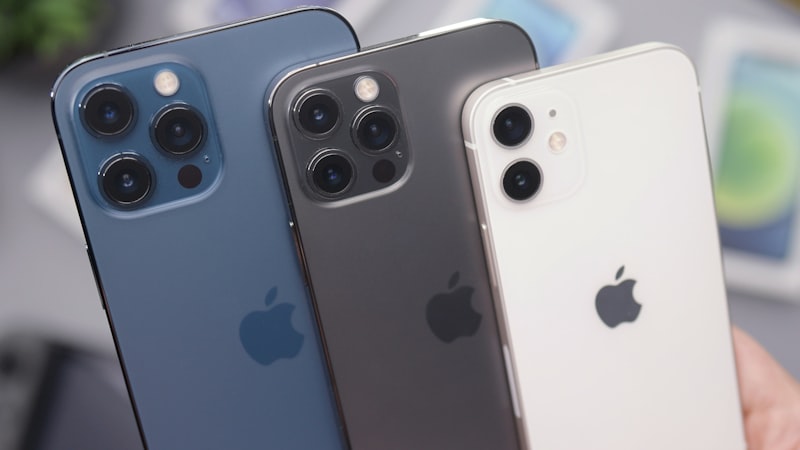
The primary benefit is security. Apple's rapid deployment of security patches mitigates vulnerabilities across the entire user base quickly. Android devices, especially older models or those from smaller manufacturers, can often lag behind, leaving users exposed to known threats for extended periods. The consistent security posture of iPhones offers peace of mind, a factor increasingly important in today's digital landscape.
Feature Parity Across Devices
Beyond security, unified updates ensure feature parity. When Apple releases a new version of iOS, nearly all iPhones capable of running it receive the same features and functionalities. This is a major departure from Android, where feature rollouts can vary significantly depending on the manufacturer, model, and even geographic region. An iPhone user can be confident that their device will offer the latest improvements, regardless of when or where they purchased it.
This consistency simplifies the user experience. Tutorials and guides apply universally, and users can easily share tips and tricks knowing that their friends and family with iPhones will have access to the same features. This cohesiveness contributes significantly to the perceived ease of use often associated with the iPhone.
The Android Update Landscape: A Complex Web
Android's update challenges stem from its open-source nature and the involvement of multiple stakeholders. Manufacturers customize the Android Open Source Project (AOSP) to create their unique user interfaces and pre-install their own apps. Carriers often add their own software and branding. This customization introduces layers of complexity that slow down the update process.
Furthermore, manufacturers have different priorities. They often focus on updating their flagship devices while neglecting older or less popular models. This creates a tiered system where some users receive timely updates while others are left behind. While Google has attempted to address this issue with initiatives like Project Treble and Mainline, fragmentation remains a persistent problem. These initiatives aim to decouple the core Android OS from vendor-specific modifications, allowing for faster and more streamlined updates. While these approaches have improved the speed of updates to certain system components, the complete system image still requires manufacturer approval and deployment.
Apple's Vertical Integration: A Strategic Advantage
Apple's control over both hardware and software is a key factor in its successful update strategy. By designing its own chips, as we've covered extensively on sister site MacBook Neo, Apple can optimize iOS for specific hardware configurations, ensuring smooth and efficient performance even on older devices. This integration allows Apple to maintain tight control over the entire update process, from development to deployment.
This vertical integration also enables Apple to provide longer software support for its devices. iPhones typically receive updates for five to seven years, significantly longer than the average Android device. This extended support protects users from security vulnerabilities and ensures that their devices remain functional and relevant for a longer period.
The Impact on Switchers
For Android users considering a switch to iPhone, the promise of consistent and timely updates is a compelling selling point. It addresses a common frustration with the Android ecosystem and offers a sense of security and peace of mind. The unified update experience contributes significantly to the overall user satisfaction and perceived value of the iPhone, making it a key factor in the decision to switch.
While Android continues to evolve and improve its update processes, Apple's centralized approach remains a distinct advantage. The ability to deliver timely security patches, feature parity, and long-term software support contributes significantly to the overall iPhone experience and is a major draw for those considering a switch from Android.