iPhone Audio Ecosystem: AirPods, Spatial Audio, and the Shifting Landscape for Android Switchers
Navigating the iPhone Audio Landscape: A Guide for Android Converts
Switching from Android to iPhone involves more than just learning new gestures and finding app equivalents. One area often overlooked, yet critically important for user experience, is the audio ecosystem. Apple has cultivated a tightly integrated audio environment centered around AirPods, Spatial Audio, and a specific approach to audio processing. This article provides a comprehensive overview of the iPhone's audio capabilities, focusing on the key differences and challenges faced by Android switchers.
Editor's pick: Android-to-iPhone migration accessories on Amazon → As an Amazon Associate, this site earns from qualifying purchases.
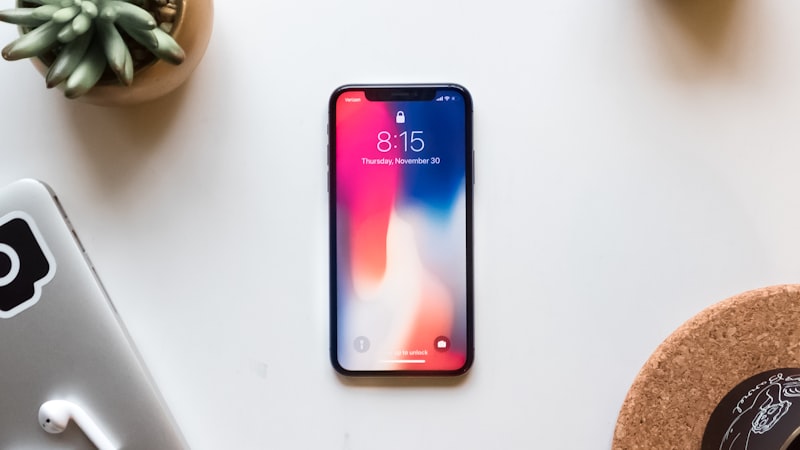
AirPods: More Than Just Wireless Earbuds
Apple's AirPods are arguably the cornerstone of the iPhone's audio experience. While wireless earbuds are ubiquitous across platforms, AirPods offer unique advantages within the Apple ecosystem. Seamless pairing, automatic device switching via iCloud, and deep integration with Siri are features that immediately stand out. Android users accustomed to pairing Bluetooth devices manually might find the simplicity of AirPods pairing remarkably convenient.
Beyond basic functionality, features like Transparency mode (allowing external sounds to filter through) and Active Noise Cancellation (ANC) have become increasingly sophisticated. Apple has consistently improved ANC performance with each AirPods generation, leveraging computational audio and custom silicon to achieve impressive results. For Android users considering AirPods, it's worth researching the latest generation to understand the available features and improvements.
Spatial Audio: An Immersive Experience
Spatial Audio, another key component of Apple's audio ecosystem, aims to create a more immersive listening experience. Using head tracking and audio processing algorithms, Spatial Audio simulates a multi-channel surround sound system within headphones. When watching compatible movies or TV shows, the soundstage shifts dynamically as the user moves their head, creating a sense of being surrounded by audio.
This feature, while technically possible on Android through third-party apps and some headphones, is natively and more consistently supported on iPhone. Apple's control over both hardware and software allows for tighter integration and optimized performance. However, Android switchers should be aware that Spatial Audio's effectiveness depends heavily on the content being consumed. Not all audio sources support the technology, and some users may find the effect unnatural or distracting.
Audio Codecs and Compatibility
Understanding audio codecs is crucial for achieving the best possible audio quality. While Android devices typically support a wider range of codecs, including aptX and LDAC (designed for high-resolution audio), iPhones primarily rely on AAC and, more recently, LC3 with newer Bluetooth versions. This can be a point of contention for audiophiles who have invested in headphones optimized for specific Android-centric codecs.
Apple's argument is that AAC provides excellent audio quality with efficient battery consumption, and that their audio processing algorithms compensate for the lack of wider codec support. However, Android switchers who prioritize high-resolution audio may need to adjust their expectations or explore third-party apps that offer alternative codec support on iPhone, often at the cost of increased battery drain.
Adapting to the iPhone Audio Ecosystem
For Android users transitioning to iPhone, the audio experience requires some adaptation. Here are a few key considerations:
- AirPods Investment: Consider investing in AirPods (or compatible Beats headphones) to fully leverage the iPhone's audio features.
- Content Selection: Choose content that supports Spatial Audio for a more immersive listening experience.
- Codec Awareness: Be mindful of audio codec limitations and adjust settings accordingly.
- Equalization: Experiment with the iPhone's built-in equalizer settings or third-party apps to fine-tune the audio output to your preferences.
The Future of iPhone Audio
Apple's commitment to audio innovation is evident in their continued development of AirPods and Spatial Audio. As we explored in our analysis of display technology at iPhone View, Apple prioritizes visual and auditory immersion to enhance user experiences. Future iPhones are likely to feature even more advanced audio processing capabilities, potentially including improved noise cancellation, personalized spatial audio profiles, and support for new audio codecs. Android switchers who embrace the iPhone's audio ecosystem will find a compelling and evolving experience that complements the device's other strengths.
Conclusion
The iPhone's audio ecosystem presents both opportunities and challenges for Android switchers. While some may miss the wider codec support of Android, the seamless integration of AirPods, the immersive experience of Spatial Audio, and Apple's commitment to audio innovation offer a compelling alternative. By understanding the nuances of the iPhone's audio landscape, Android converts can adapt and enjoy a rich and rewarding listening experience.