Navigating the Camera Landscape: Android's Openness vs. iPhone's Computational Photography
Understanding the Shifting Camera Landscape for Switchers
For many Android users, the camera is a critical component of their smartphone experience. The sheer variety of Android devices means a vast spectrum of camera hardware and software configurations. Switching to iPhone means adapting to a more curated, but computationally intensive, approach to mobile photography.
Editor's pick: Android-to-iPhone migration accessories on Amazon → As an Amazon Associate, this site earns from qualifying purchases.
The Android Advantage: Hardware Diversity and Openness
Android's fragmented ecosystem allows manufacturers to experiment with camera hardware in ways Apple typically avoids. We see this in the continued proliferation of multi-lens systems, variable apertures, and even attempts at modular camera attachments. The open nature of Android also allows developers greater access to the camera's raw data, leading to a flourishing market of third-party camera applications that offer granular control over image capture. This appeals to enthusiasts who prefer a more hands-on approach, controlling parameters like ISO, shutter speed, and white balance directly.
Android's hardware diversity provides a playground for experimentation, leading to innovative but sometimes inconsistent results.
The downside to this openness is inconsistency. Image quality can vary significantly even between devices from the same manufacturer, depending on the image processing algorithms employed. While some Android phones excel in specific areas, such as low-light performance or zoom capabilities, achieving consistently excellent results across various shooting scenarios can be challenging.
Apple's Computational Photography Focus
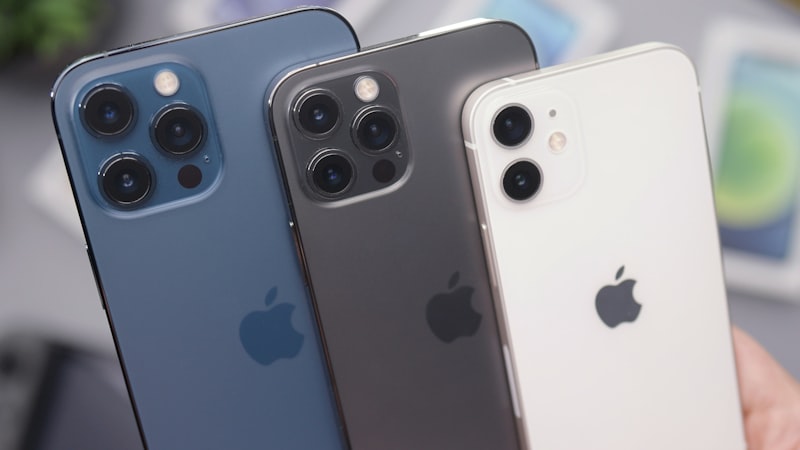
Apple, in contrast, tightly controls both the hardware and software aspects of the iPhone camera system. This allows for deep integration and optimization, leading to a consistent and reliable user experience. Apple's focus is heavily skewed towards computational photography, leveraging the power of its silicon to automatically enhance images in real-time. Features like Smart HDR, Deep Fusion, and Photographic Styles rely on complex algorithms to analyze and optimize every image, often without the user needing to adjust any settings.
This approach prioritizes ease of use and consistently good results, even for casual users. While Android offers manual controls, Apple's philosophy is that the phone should handle the heavy lifting, allowing users to focus on composition and capturing the moment.
The Trade-offs for Android Switchers
Switching from an Android phone with a highly customizable camera system to an iPhone can feel limiting initially. The degree of manual control is significantly reduced. However, many users find that the iPhone's computational photography capabilities compensate for this lack of manual control, producing images that are comparable or even superior in many scenarios. The consistency of the iPhone camera system is a major draw for those who value reliability and ease of use.
Furthermore, Apple's commitment to software updates ensures that the camera system continues to improve over time, adding new features and refining existing algorithms. This is in contrast to the Android world, where software updates can be fragmented and inconsistent, often leaving users with outdated camera software.
Future Trends and the Camera Arms Race
Looking ahead, the camera landscape will likely continue to evolve. On the Android side, we expect to see further experimentation with advanced hardware features, driven by competition and the desire to differentiate. We are already seeing this with advancements in periscope zoom lenses and larger image sensors. Apple, on the other hand, is likely to continue to refine its computational photography algorithms and integrate them even more deeply into the user experience. As our sister site, iPhone View, has previously explored in its analysis of display technology, a tighter integration between the camera system and the display is essential for delivering a seamless and immersive viewing experience.
Recent patent filings suggest Apple is also exploring new sensor technologies and lens designs, potentially indicating a shift towards more advanced hardware capabilities in future iPhones. However, the company's core focus will likely remain on leveraging computational photography to extract the maximum performance from its hardware.
Adapting to the iPhone Camera Ecosystem
For Android switchers, adapting to the iPhone camera system requires a shift in mindset. Instead of focusing on manual controls and tweaking settings, users need to trust the iPhone's computational photography capabilities. Experimenting with different lighting conditions and compositions is crucial to understanding how the iPhone camera system works and how to get the best results. While the initial transition may require some adjustment, many users ultimately appreciate the iPhone's simplicity and the consistently high-quality images it produces.